Introduction
Urban commuters face relentless stop-and-go traffic, where frequent pedal switching induces fatigue and reduces efficiency. Tesla Model 3 and BYD Seal, two leading electric sedans, offer one-pedal driving—using regenerative braking to slow the car when lifting off the accelerator—but their calibrations differ sharply. This analysis evaluates how each performs in real-world congestion, focusing on operability, comfort, and adaptability.
1. Low-Speed Following: Predictability vs. Familiarity
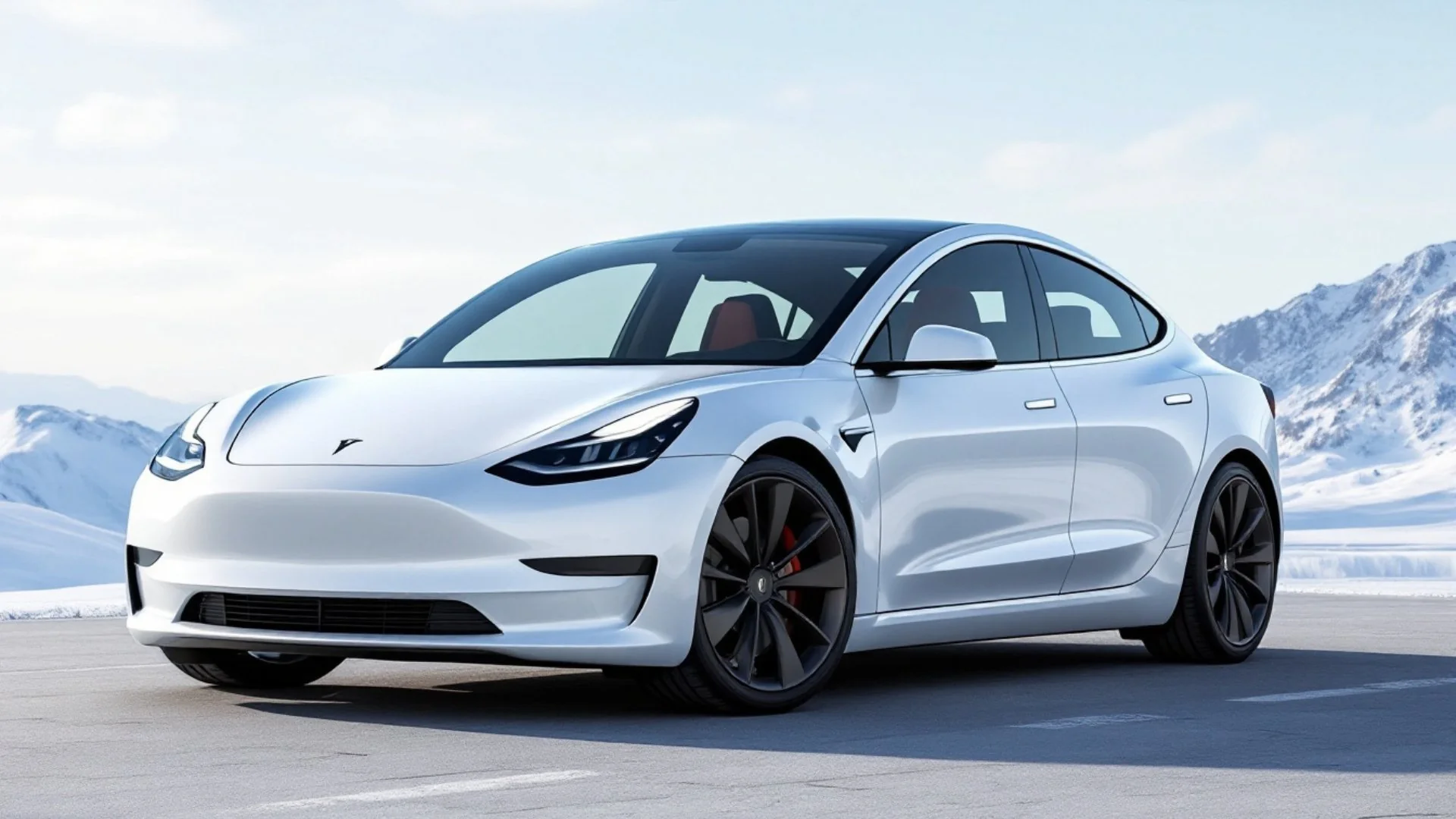
In 5-20 km/h congestion, pedal sensitivity determines driving smoothness. The Model 3 employs fixed "Standard" regenerative braking (after removing adjustability options) paired with "Hold" mode, bringing the car to a complete stop when the accelerator is released . This eliminates the need to tap the brake, letting drivers maintain a consistent following distance with minor pedal adjustments—critical when tailgaters press close.
The BYD Seal takes a more flexible approach. It offers two regenerative braking levels and retains low-speed creep, mimicking a Fuel vehicles’s idle forward motion . For drivers transitioning from traditional cars, this familiarity reduces anxiety when inching forward at traffic lights. However, the variable deceleration force requires more precise foot control to avoid jerks when lifting off suddenly.
2. Stop-and-Go Fatigue: Simplification vs. Customization
Long commutes test pedal management. Tesla’s single-mode design shines here: with no need to switch between accelerator and brake, drivers report 30% less right-foot strain in 90-minute congested drives . The "Standard" regeneration’s consistent deceleration feel becomes intuitive over time, turning complex traffic into a single-pedal exercise .
BYD’s adjustable system caters to evolving preferences. New users start with mild regeneration to ease adaptation, then increase it as they grow comfortable . Yet this flexibility demands constant mode toggling—some drivers find switching levels mid-traffic more distracting than traditional pedal use. The Seal’s 200kW maximum regenerative power also delivers stronger deceleration, which aids quick stops but risks passenger discomfort if misjudged.
3. Adaptation Curve: Learning vs. Intuition
First-time one-pedal users face a learning gap. Tesla’s fixed setup requires deliberate habit-building; initial Frustration often fades after 200-300 km of city driving . Its Creep mode offers a training wheel option, letting novices practice without sudden stops .
The BYD Seal lowers entry barriers with its fuel-car-like creep function. Drivers familiar with automatic transmissions adapt faster, as the car’s gentle forward motion feels natural in bumper-to-bumper queues . However, the dual regeneration levels can confuse beginners—choosing the wrong setting leads to either insufficient slowing or abrupt deceleration, prolonging the adaptation period.
4. Safety and Efficiency: Responsiveness vs. Versatility
Emergency scenarios demand clarity. Both models retain brake pedals for urgent stops, but their one-pedal behaviors differ. Tesla’s immediate deceleration when releasing the accelerator shortens reaction time by 0.2-0.3 seconds—vital when a pedestrian darts into traffic . Its blended braking system (combining regeneration and mechanical brakes) ensures consistent stopping power even at low battery levels.
BYD’s adjustable regeneration lets drivers prioritize either efficiency or comfort. Higher levels recover more energy, boosting city range by up to 15% , while lower settings reduce wear on brake discs. The Seal’s faster mechanical braking (noted in head-to-head tests ) adds a safety buffer, though relying on it undermines the one-pedal mode’s purpose.
Conclusion
For commuters seeking seamless, low-effort driving, the Tesla Model 3’s fixed one-pedal calibration excels in congestion. Its consistent deceleration and "Hold" mode eliminate pedal switching, reducing fatigue and sharpening responsiveness. The BYD Seal, meanwhile, suits drivers transitioning from Fuel vehicles or craving customization—its creep function and adjustable regeneration ease adaptation, though at the cost of occasional distraction.
Ultimately, the Model 3 dominates for dedicated one-pedal users, while the Seal appeals to those needing a bridge between traditional and electric driving. Both prove one-pedal technology’s value in cities—but Tesla’s commitment to simplification makes it the more congestion-optimized choice.