I. Strategic Cornerstone: The Model 3's Scaling Trap (2016-2020)
1.1 Price Anchor Revolution
• Cost Control: 4680 battery cells + integrated die-casting reduce BOM costs by 37% (according to Tesla's 2023 annual report)
• Market Education: Reshaping consumer perception of the premium of electric vehicles with a $35,000 price point
1.2 Data Collection Network
• Over 2 million Model 3/Y vehicles worldwide constitute the largest visual training dataset (processing 24 million miles of real-world road conditions daily)
• "Shadow Mode" enables continuous iteration of autonomous driving algorithms (accident rate 63% lower than human drivers in 2020)
II. Capability Center: The Technological Singularity of Fully Self-Driving Driverless Vehicles (2021-2024)
2.1 Algorithm Paradigm Shift
• Pure Vision Solution Breakthrough: BEV + Transformer Architecture Achieves Centimeter-Level Positioning (measured error <15cm in 2024)
Simulation System Upgrade: Dojo Supercomputing Increases Model Training Efficiency by 13x (Compared to NVIDIA H100)
2.2 Software-Defined Profitability
• Subscription-Based Pricing: FSD Reaches 1.2 Million Monthly Active Users (Q2 2024 Financial Report), ARPU $199/month
• Computing Power Monetization: Opening Autonomous Driving APIs to Third Parties (e.g., Uber's 2025 Strategic Partnership)
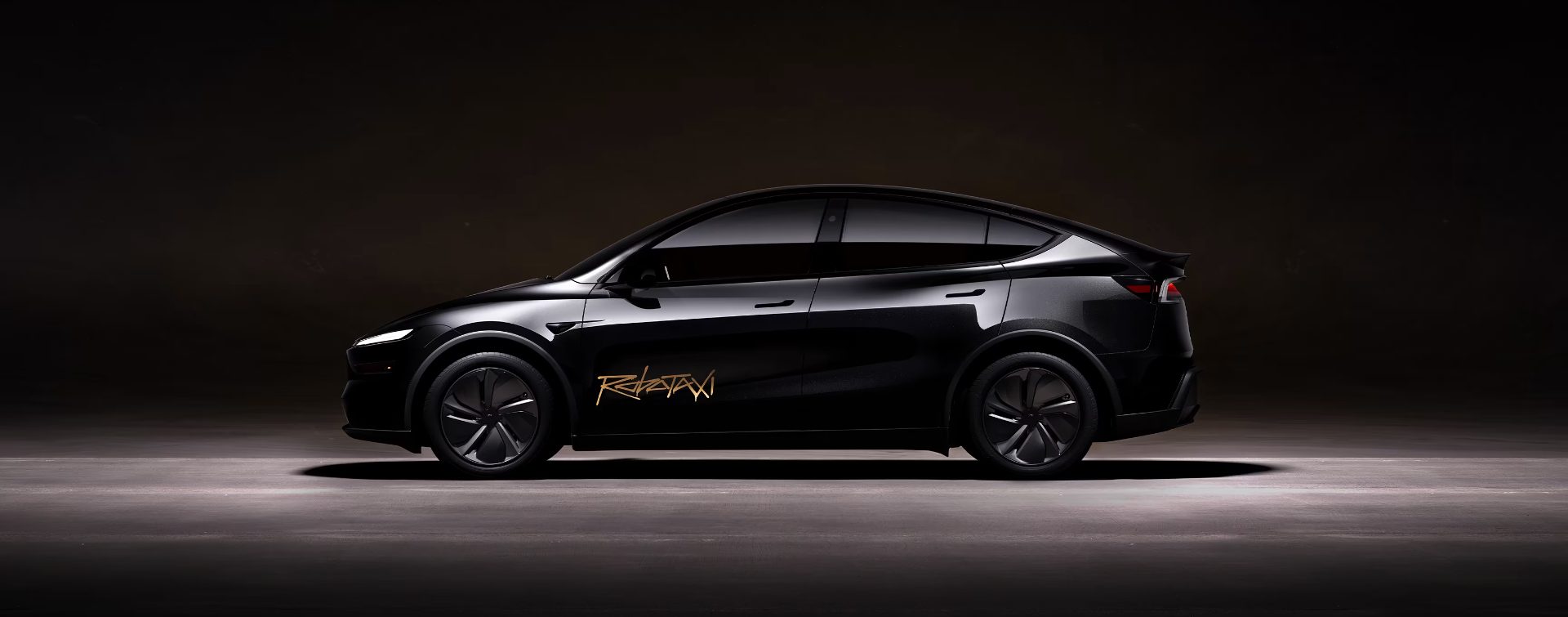
III. The Final Battle: Robotaxi Ecosystem Domination (2025-2026)
3.1 Business Model Restructuring
• Unit Cost Reduced to $0.18/mile (Morgan Stanley 2025 Forecast), 72% Lower than Traditional Taxi Services
• Insurance, Energy, and Travel Services Bundle Revenue to Surpass Hardware Sales (Expected to Reach 54% in 2026)
3.2 Infrastructure Positioning
• Supercharge V4 Network Compatible with Wireless Charging for Autonomous Vehicles
4,685 autonomous driving computing hubs deployed globally (as of July 2025)
Conclusion: The Monopoly Hidden Dangers of a Closed-Loop Ecosystem