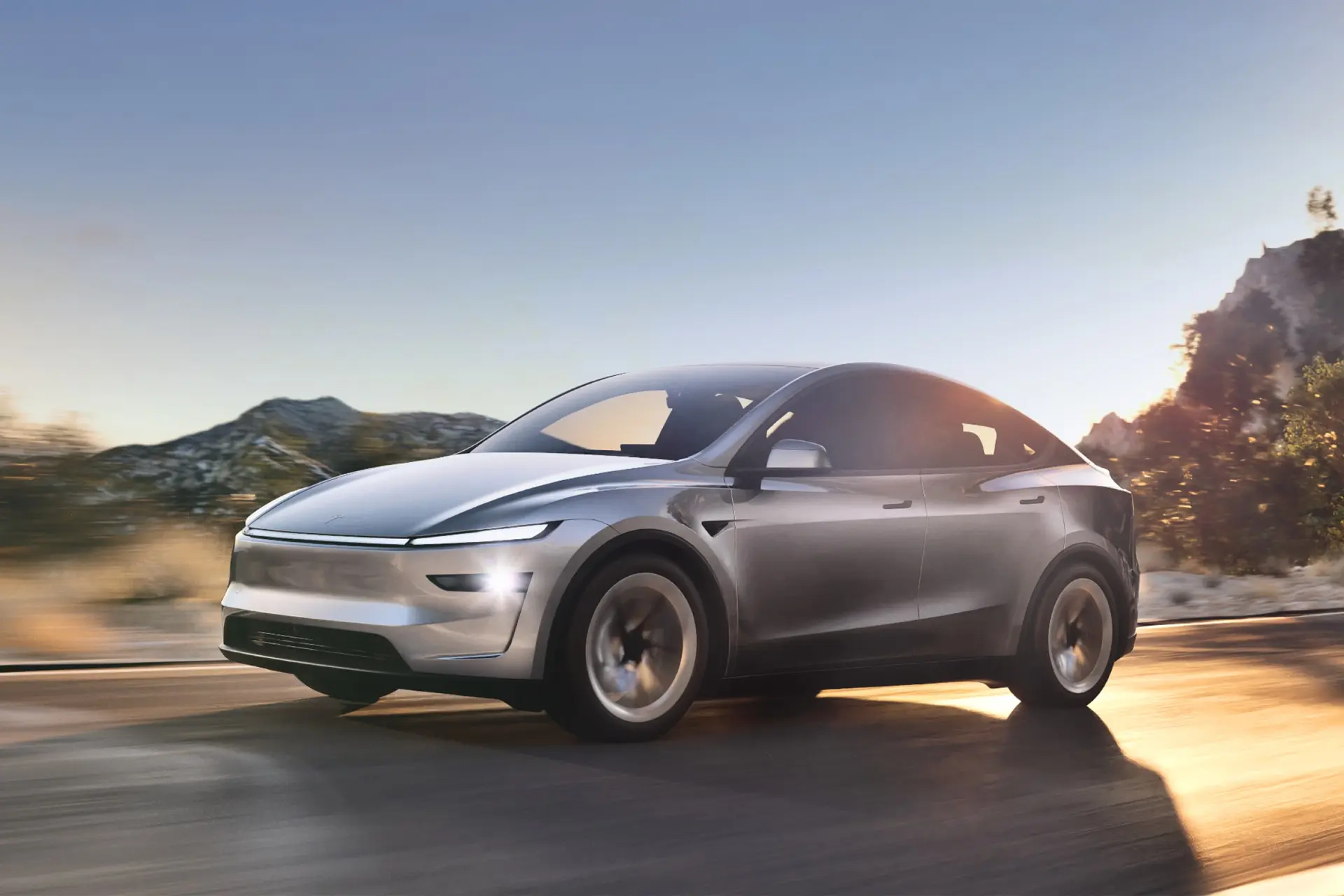
1. Sentinel Mode's Heavy Rainfall Response Mechanism
Triple Sensor System Integration
Using a matrix network of 12 ultrasonic sensors and 8 cameras, the system can identify:
Changes in refracted light due to rising water levels (accuracy ±3cm)
Vibration frequency caused by floating objects impacting the vehicle (50Hz or higher triggers recording)
Visibility loss caused by heavy rain (automatically switches to infrared compensation)
Phase-based Response Strategy
Warning Phase (water level <15cm): Activate air suspension lift (if configured)
Emergency Phase (water level >30cm): Simultaneously transmit GPS coordinates to the rescue platform
Post-event forensics: Automatically generate a 3D event log containing air pressure and tilt angles
II. Practical Testing in Typhoon Scenarios
Case 1: Shenzhen Xiangmi Lake Area
32 tree branch strikes were recorded, 5 of which triggered the 10-second pre-collision video required for insurance claims.
In heavy rain mode, the camera cleaning system's operating frequency increased to 17 times the normal rate.
Case 2: Xiamen Ring Road
V2X vehicle-to-vehicle (V2X) connectivity helped three private vehicles avoid deep water.
Sentinel mode power consumption was maintained at a manageable 8% per day.
III. Industry Implications of Technological Innovation
Redefining the "Safety" Dimension
Traditional security focuses on theft prevention, while Tesla incorporates natural disasters into its protection system. Its heavy rain algorithm has been open-sourced to emergency response departments.
Changing User Behavior
A survey shows that Tesla owners who activated Sentry Mode during a typhoon moved their vehicles 2.7 hours earlier than those who used conventional vehicles (data source: China Meteorological Administration 2024 Annual Report).
The Value of Hardware Redundancy
Even in the event of a vehicle power outage, Sentry Mode can maintain basic monitoring for six hours using the 12V battery. This design has been included in the draft revision of the national standard for new energy vehicles.
Conclusion: From Passive Defense to Active Warning
After Typhoon Haikui, insurance companies used Sentry Mode data as a basis for damage assessments for the first time. This natural stress test demonstrates that automotive security is shifting from "post-event evidence collection" to "pre-event prevention." Tesla simply brought a sci-fi movie trope into reality ten years early.