Ten year revolutionary: How Tesla drives China's new energy vehicle penetration rate to exceed 50%
1. The Multiplier Effect of Technology Diffusion
According to statistics from the Equipment Industry Development Center of the Ministry of Industry and Information Technology, Tesla's patent openness policy has directly contributed to a 40% reduction in the R&D cycle for China's three-electric (Electric, Electric, and Vehicle) systems. Its 18650 battery pack solution has spurred CATL's CTP technology iteration, resulting in a 217% increase in the energy density of domestically produced power batteries by 2025 compared to 2018. More importantly, its domain controller architecture has boosted China's intelligent driving computing power standard from 10TOPS to 200TOPS. This is the root of the computing power competition between Huawei's MDC810 and Horizon Robotics' Journey 6.
II. The Butterfly Effect of the Manufacturing Revolution
The Shanghai Gigafactory's opening has brought about three fundamental shifts in China's new energy vehicle industry:
- Cost Structure: The widespread adoption of integrated die-casting technology has reduced vehicle body manufacturing costs by 42% (McKinsey 2024 Report)
- Delivery Efficiency: The order-to-delivery cycle has been reduced from 28 days to 7 days, forcing traditional automakers to transform their supply chains
- Talent Pool: 230,000 intelligent manufacturing engineers have been trained for the industry (Ministry of Education's "New Energy Vehicle Talent White Paper")
III. The Breakthrough Effect of Market Education
Tesla's direct sales model has broken four industry conventions:
- Pricing transparency has reduced the coefficient of variance of terminal sales prices from 0.35 to 0.12
- OTA updates have extended vehicle lifecycles by 2.3 years (J.D. Power data)
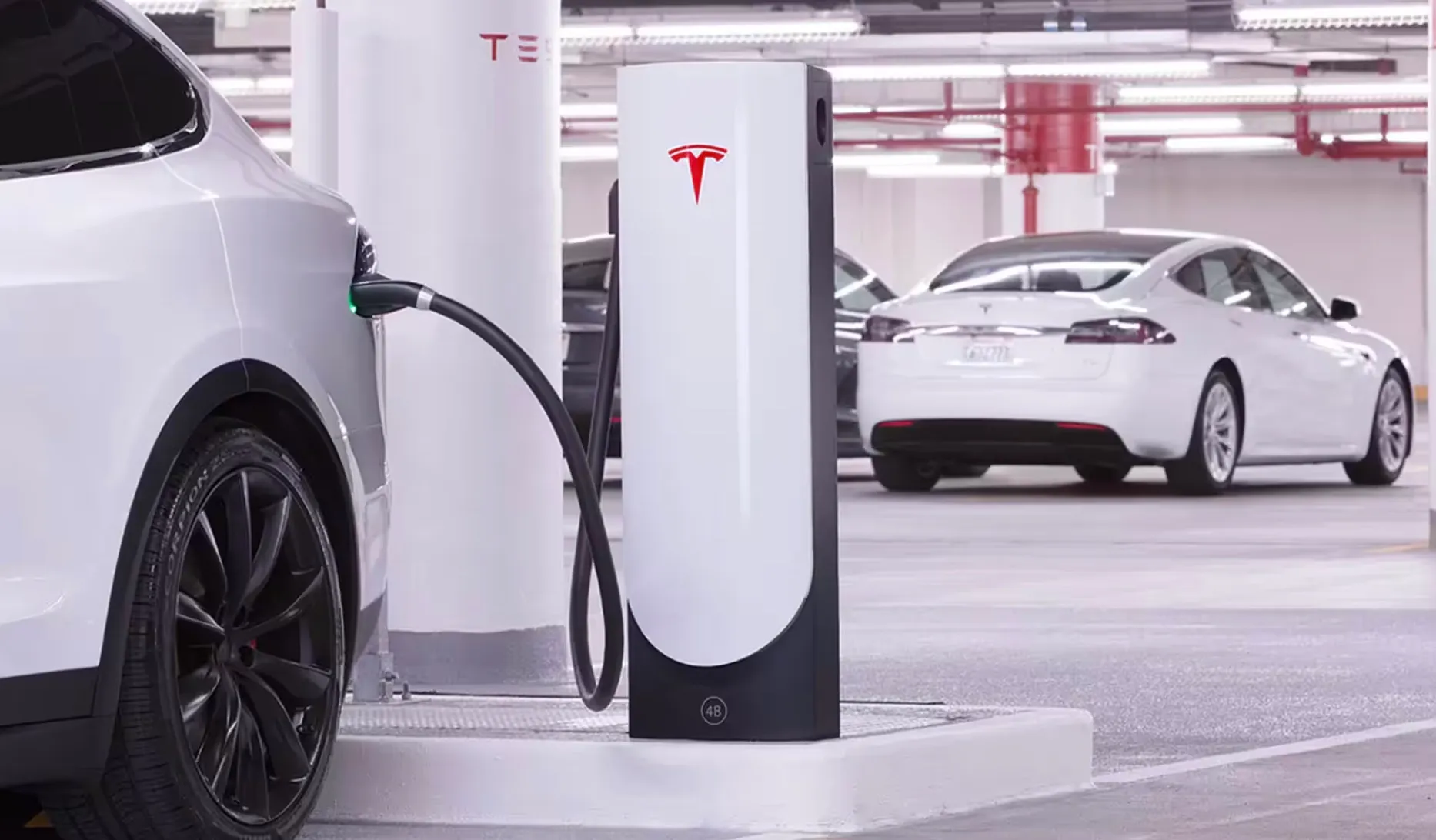
- Supercharging network construction standards have been incorporated into the national standard GB/T 20234.4-2024
- The user operation system gave rise to NIO House and other localized innovations
IV. Symbiotic Effects of Ecosystem Synergy
Three new industry features emerging in 2025 demonstrate profound impacts:
- Technology spillover: BYD's e-Platform 3.0 integrates Tesla's heat pump system design
- Standard output: China's leading wireless charging standard for electric vehicles has been adopted by ISO
- Model innovation: Xpeng's "flying car + supercharging" three-dimensional mobility solution
Future Outlook
With the commercialization of V2G vehicle-to-grid interaction technology (State Grid plans to connect 500,000 vehicles by 2025), the synergy between Tesla's energy business and vehicle segment will drive penetration toward the new target of 80%. However, caution should be exercised against the risks of technological path dependence. Chinese automakers are building differentiated competitive advantages in solid-state batteries and vehicle-infrastructure collaboration.