Introduction
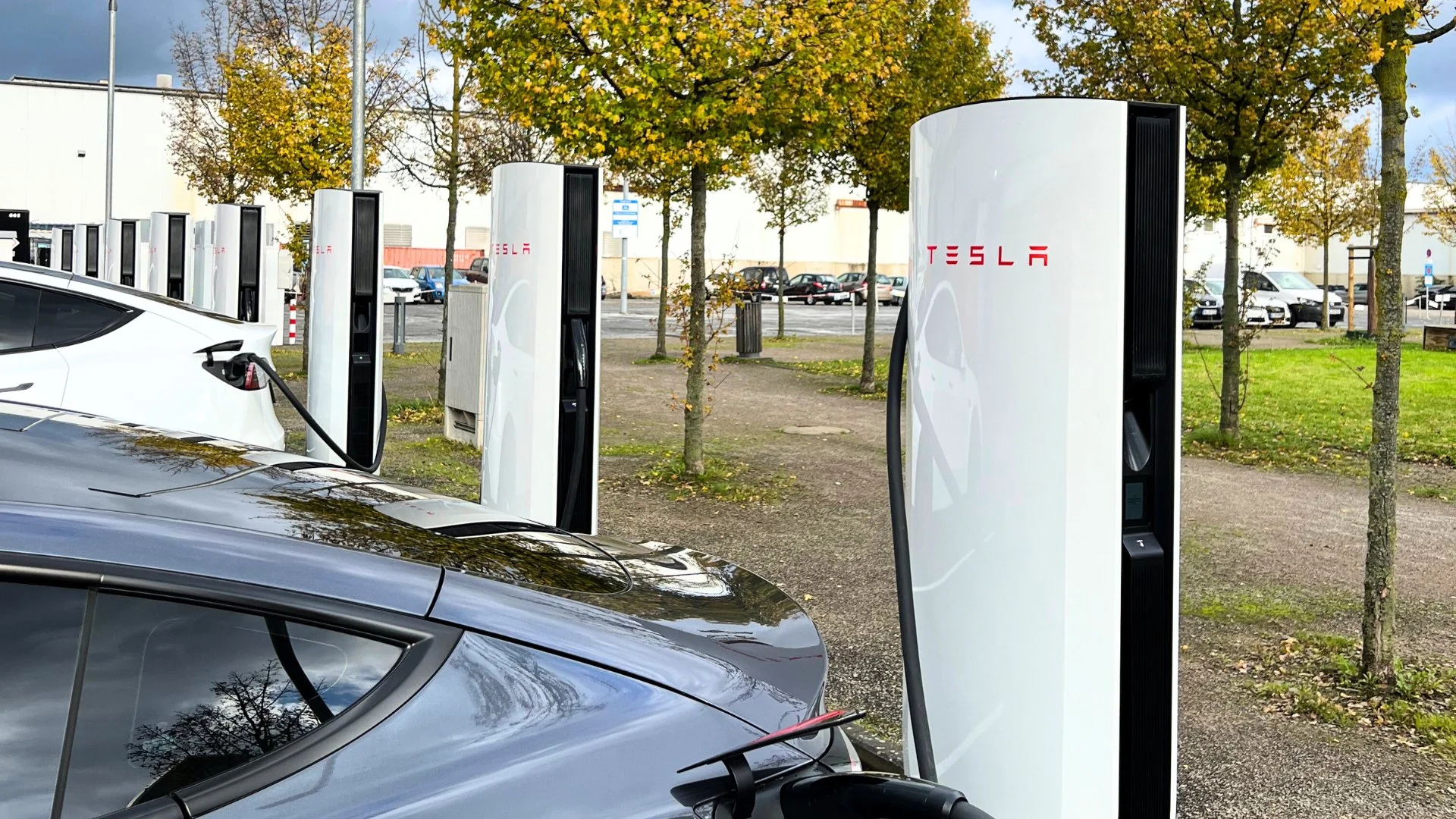
Tesla has announced a landmark expansion of its Supercharger network in Canada, with over 630 new charging stalls set to launch across more than 50 new locations by 2025. This strategic move boosts the country’s existing Tesla charging infrastructure—currently standing at approximately 234 sites and 2,300 stalls—by 27% in stall count and 21% in station numbers . Beyond mere quantity, the expansion targets critical gaps in remote regions and highway corridors, integrates cold-weather charging technology, and opens access to non-Tesla electric vehicle (EV) owners. For Canadian drivers, this means the end of "range anxiety" during cross-provincial trips, turning coast-to-coast EV travel from a logistical challenge into a seamless experience.
Filling Gaps: Connecting Canada’s Urban Centers and Remote Regions
The new Supercharger deployment is designed to eliminate "charging deserts" that once disrupted cross-country travel. Stretching from British Columbia’s Pacific coast to Nova Scotia’s Atlantic shores, the expansion prioritizes both high-traffic corridors and underserved communities. Notably, Prince Edward Island—previously without Supercharger access—now gains its first station in Charlottetown , while Alberta and Saskatchewan see new sites linking Edmonton and Saskatoon along Highway 16, a vital interprovincial route .
For drivers like those traveling from Vancouver to Toronto, the updated network cuts uncertainty. Previously, stretches of northern Ontario or the Prairies required careful route planning to avoid long detours for charging. Now, with most major highways featuring a Supercharger every 30 kilometers , a family road trip can proceed with scheduled stops at stations near restaurants, shops, and restrooms—standard amenities at Tesla’s charging sites . Even smaller communities like Nakusp in British Columbia and Matane in Quebec benefit, turning regional getaways into stress-free adventures.
Conquering Cold Climates: Technology That Performs in Winter
Canada’s harsh winters have long posed a challenge for EVs, with cold temperatures slowing battery charging and reducing range. Tesla’s 2025 expansion addresses this head-on by equipping new sites with V3 and V4 Superchargers featuring breakthrough battery-heating technology. Using alternating current (AC) ripple current, these chargers warm lithium iron phosphate (LFP) batteries four times faster than traditional preconditioning , eliminating the long waits that frustrated winter travelers.
The impact is tangible for daily use and road trips alike. A Model 3 driver crossing from Calgary to Regina in -15°C weather can now regain 282 kilometers of range in just 15 minutes , compared to half that speed with older technology. Even in extreme conditions, the 250 kW peak power of V3/V4 chargers ensures that a 5-minute stop adds enough range to reach the next station . This technical advancement isn’t just convenient—it’s transformative for EV adoption in Canada’s northern provinces.
Open Access: A Network for All EV Drivers
Tesla’s Canadian Supercharger expansion isn’t exclusive to its own vehicles. Following partnerships with Mercedes-Benz, Ford, and 21 other automakers , the network is now accessible to non-Tesla EVs using the North American Charging Standard (NACS). For Mercedes EQS owners, this means access to over 3,000 fast-charging stalls across Canada—up from just a few hundred before the collaboration .
This openness aligns with Tesla’s goal of accelerating EV adoption nationwide, where it already holds a 30%+ market share . The NACS connector, half the size of traditional CCS ports and capable of 1-megawatt charging , is becoming the de facto standard, with 80% of North American chargers expected to adopt it by 2026 . For cross-provincial travelers driving any NACS-equipped EV, the expanded Supercharger network offers consistent, reliable service—regardless of brand.
Conclusion
Tesla’s 630-new-stall Supercharger expansion in Canada represents more than infrastructure growth; it’s a validation of EVs as a practical choice for long-distance travel in diverse conditions. By connecting remote communities, defeating cold-weather charging limitations, and opening access to all EV drivers, the network erases the last barriers to cross-country EV travel.
For Canadians, this means weekend getaways to the Rockies, summer road trips to the Maritimes, and winter visits to Quebec’s ski resorts no longer require compromise. As Tesla continues to refine its technology—from faster battery heating to future-proof V4 chargers—the vision of "zero anxiety" EV travel becomes a daily reality. In a country as vast as Canada, this expansion isn’t just about charging cars—it’s about connecting people.