Introduction
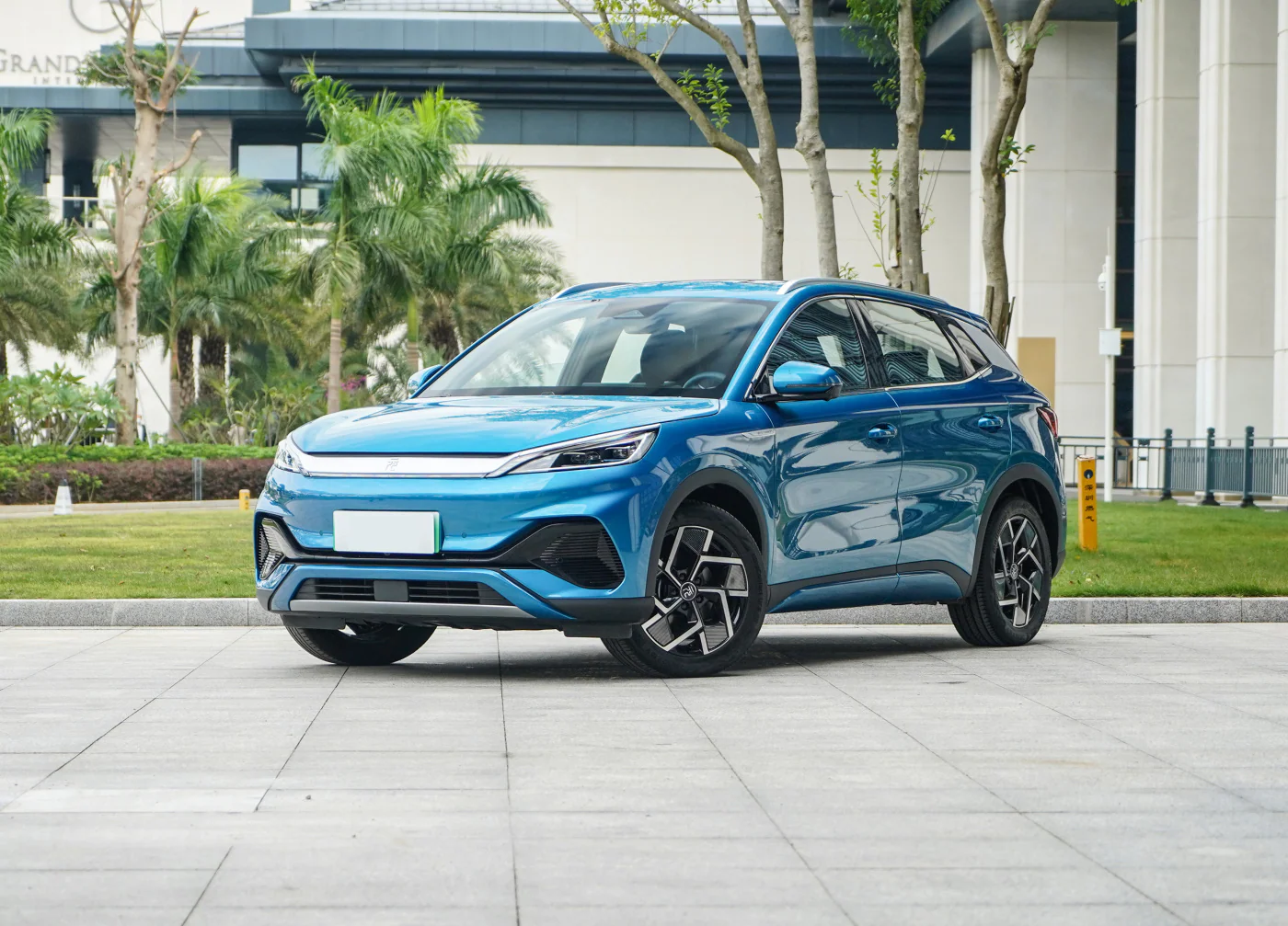
For electric vehicle (EV) owners, heavy rain and flooded roads pose unique anxieties—until BYD's Blade Battery redefined waterproof safety standards. Specifically engineered for extreme conditions, this lithium-iron-phosphate (LFP) battery system, paired with the Yuan PLUS SUV, delivers unprecedented reliability for rainy-day commutes, addressing the core fear of water-induced battery failure.
The Science Behind Blade Battery's Waterproof Prowess
At its core, the Blade Battery achieves industry-leading protection through rigorous design and testing. Certified to IP67 waterproof standards (with IP68 dust resistance), it withstands submersion in 1 meter of water for 30 minutes without leakage—a critical threshold for urban flood scenarios. BYD's proprietary sealing technology, using military-grade gaskets and aluminum alloy enclosures, creates an airtight barrier against moisture intrusion. Further validation comes from extreme durability tests: BYD's new energy commercial vehicles, equipped with identical Blade Battery architecture, demonstrated no internal corrosion after 10 consecutive days of water immersion, proving long-term resilience beyond daily commuting needs.
Structural innovations enhance waterproof performance synergistically. Unlike conventional battery packs, the Blade Battery's honeycomb aluminum frame integrates cells as load-bearing components, eliminating weak points where water might seep. A dual-layer underbody shield on the Yuan PLUS adds an extra defense, preventing debris from damaging the battery's outer casing during high-water driving. As BYD's official tests confirm, this combination ensures the battery remains stable even if the vehicle traverses puddles deeper than typical sedan ground clearance.
Intelligent Safety Systems: Beyond Passive Protection
Waterproofing alone isn't sufficient—active safeguards elevate the Yuan PLUS's reliability. The battery pack features a smart power cutoff system that triggers automatic shutdown if moisture is detected, analogous to a household circuit breaker. In third-party tests, this system activated within seconds of simulated water intrusion, preventing short circuits that could lead to overheating. Complementing this, the Yuan PLUS's electronic control unit (ECU) monitors battery temperature and voltage in real time, adjusting power output to avoid stress during wet conditions.
These systems translate to tangible user confidence. As documented in Yuan PLUS owner forums, drivers report maintaining control in heavy downpours thanks to the vehicle's advanced driver aids—including lane-keeping assist that compensates for slippery roads—and rapid-defogging air conditioning that ensures visibility. One 2025 model owner noted, “During a thunderstorm, the car's stability through standing water exceeded my old gasoline vehicle, with no hesitation or warning lights.”
Why This Matters for Daily Commuters
For urban commuters, the Blade Battery's waterproofing solves a practical dilemma: choosing between EV efficiency and safety in unpredictable weather. Traditional EVs often carry vague “avoid deep water” warnings, but the Yuan PLUS provides quantifiable reassurance. Its 1-meter submersion capability outperforms many competitors (e.g., Tesla models lack automatic water detection, per independent tests) and even surpasses most gasoline cars, which risk engine hydro-lock in similar conditions.
Long-term durability further reinforces value. BYD's 1,000-hour salt spray test—mimicking coastal humidity and road salt exposure—showed zero corrosion in the battery pack, promising consistent performance over the vehicle's lifespan. For commuters in rain-prone regions, this means lower maintenance costs and fewer weather-related breakdowns.
Conclusion
The BYD Blade Battery's waterproof innovation transforms rainy-day commuting from a source of stress to a demonstration of EV safety. By combining IP67 certification, structural reinforcement, and intelligent safeguards, the Yuan PLUS delivers on the promise of “peace of mind” in flooded conditions. For drivers prioritizing reliability without compromising sustainability, this technology isn't just an upgrade—it's a fundamental reimagining of how EVs perform when the weather turns harsh. As urban flooding becomes more frequent, such advancements position BYD at the forefront of practical, commuter-centric EV design.