Introduction
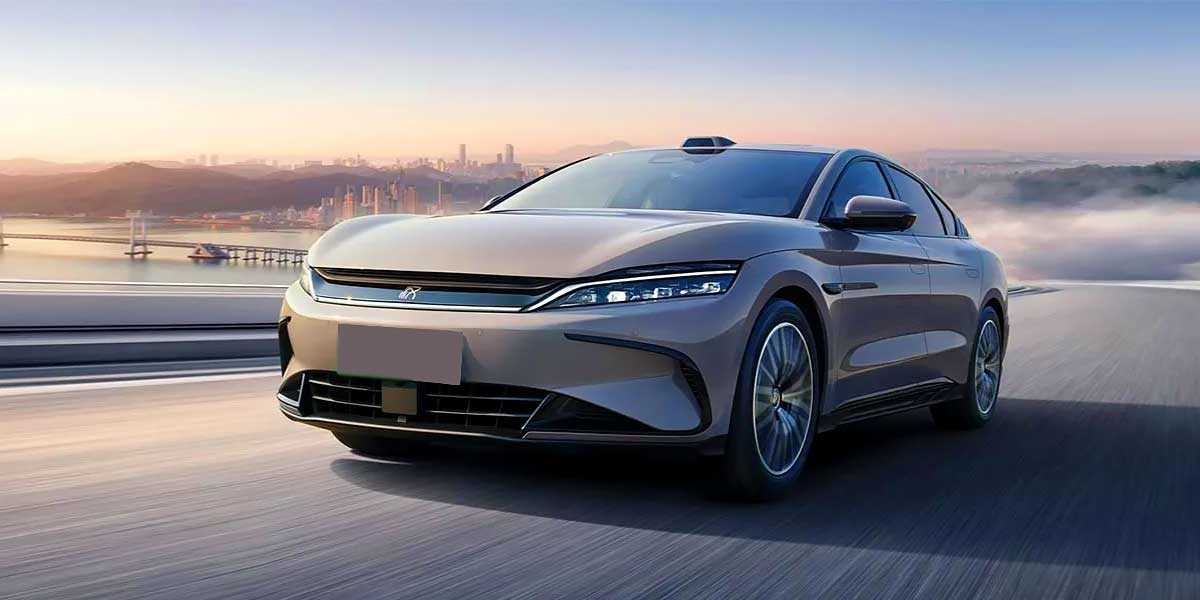
Winter remains the ultimate test for electric vehicles (EVs), as plummeting temperatures cripple lithium-ion battery activity and jack up heating Energy consumption. Two tech powerhouses have risen to the challenge with distinct strategies: BYD equips the Han EV with pulse battery preheating, while Tesla leans on its innovative octovalve heat pump system. This battle isn’t just about specs—it’s about real-world survival for commuters in Beijing’s -15℃ mornings and families on cross-country trips through snow. By examining their performance in daily scenarios, we uncover which technology truly delivers "anti-freeze" range.
1. Morning Commute: The Race to Warm Up
For most drivers, winter starts with a cold car parked outdoors overnight. In Shanghai’s 4℃ dawn, both vehicles face the dual demand of warming batteries and cabins—but their approaches differ sharply.
Tesla’s heat pump shines here. Its 12-mode octovalve system scavenges heat from the environment and motor waste, boasting a COP (coefficient of performance) of up to 3.8. Remote preheating via the app uses grid power instead of battery, consuming just 0.8kWh per hour and boosting subsequent range by 12-15%. A 30-minute pre-heat ensures the cabin hits 22℃ without draining drive power. However, in -26℃ Canadian winters, some units have failed, requiring software fixes to resume heating.
BYD counters with pulse heating technology. By cycling rapid charge-discharge cycles, the Han EV’s blade battery heats at 1.2℃ per minute in -20℃, cutting energy use by 37% versus traditional methods. Selecting "Battery Priority" diverts 85% of energy to warming cells, slashing range decay by 18%. In -10℃ tests, this meant the Han EV retained 80% of its CLTC range, while Tesla Model Y hovered at 69%. For northern drivers, this translates to an extra 86km over 350km of driving.
2. Highway Cruising: Sustaining Range Under Load
High speeds and continuous heating drain EVs fastest. On Beijing’s ring roads at -10℃, both cars face 120km/h winds and constant cabin heating—but their energy management diverges.
Tesla’s strength lies in heat reuse. Its system recovers 3.2kW of waste heat per hour from the motor and battery, reducing reliance on energy-hungry PTC heaters by 68%. In -20℃, it switches to a hybrid mode combining motor heat and PTC, maintaining a COP of 2.8. However, high-speed driving erodes this advantage: during 350km tests, Model 3’s range discount hit 55.3%, with Rapid acceleration pushing energy loss to 1:2 (1km driven = 2km range lost).
BYD’s edge comes from battery stability. Its liquid-cooled thermal system keeps cells between 20-25℃, minimizing resistance increases that waste energy. The 800V platform further optimizes efficiency, limiting high-speed range decay to 1:1.5 even under acceleration. After 350km, the Han EV still showed 67km of remaining range—4x more than Tesla’s 17km. For families on winter road trips, this means fewer charging stops.
3. Charging Stops: Turning Warmth Into Speed
Cold batteries don’t just lose range—they reject fast charging. At a -15℃ service station, preheating becomes critical for minimizing downtime.
Tesla’s preheating syncs with navigation: approaching a Supercharger triggers automatic battery warming, boosting peak charge power by 23%. However, third-party chargers undermine this; Model Y’s average charging rate drops to 78kW, half its peak capability. A hidden 6kWh reserve helps, but accessing it requires software tweaks.
BYD’s charging-linked heating dominates here. When plugged into DC fast chargers, its BMS simultaneously heats the battery, increasing charging efficiency by 28%. The 800V architecture delivers 1000kW peak charging—adding 400km in 5 minutes. Even in -10℃, the Han EV maintains this speed, while Tesla struggles to exceed 117kW on non-Tesla pile. For drivers in areas with sparse Superchargers, this is a game-changer.
Conclusion
Neither system is perfect, but their strengths align with different winter realities. Tesla’s heat pump excels in milder cold (4℃ to -10℃), using waste heat to save energy for commutes. Yet it stumbles in extreme temperatures, relying on backup systems that erode range.
BYD’s battery-centric approach is built for harsh winters. Its pulse heating and 800V platform keep cells efficient from -20℃ to 0℃, delivering more consistent range and faster charging. In -10℃ tests, its 80% range retention crushes Tesla’s 69%—proof that prioritizing battery health pays off.
For shoppers: Choose Tesla if you live in temperate winter regions. Opt for BYD Han EV if you face freezing northern winters where range and charging reliability are non-negotiable. In the coldest battles, keeping the battery warm beats just heating the cabin.